Early autumn on both plots.
September is good at making you think there is still plenty of summer left. The first useful rain has a habit of correcting that.
Autumn does not arrive neatly here in central Portugal. Afternoons can still be hot and the ground hard until October begins to soften both. There is farm work and there is backyard work. Writing either list down does not shorten it.
On the farm, I would rather wait for moisture in the soil than put broad beans and peas into dust and hope. They can go in as the heat lets up and the ground becomes workable; garlic and overwintering onions can follow as autumn settles. It is worth leaving room for a winter green manure on bare ground too. Rye with vetch or another suitable legume can hold soil and make use of winter rain, provided it is sown early enough to establish. Bare ground can still be doing useful work.
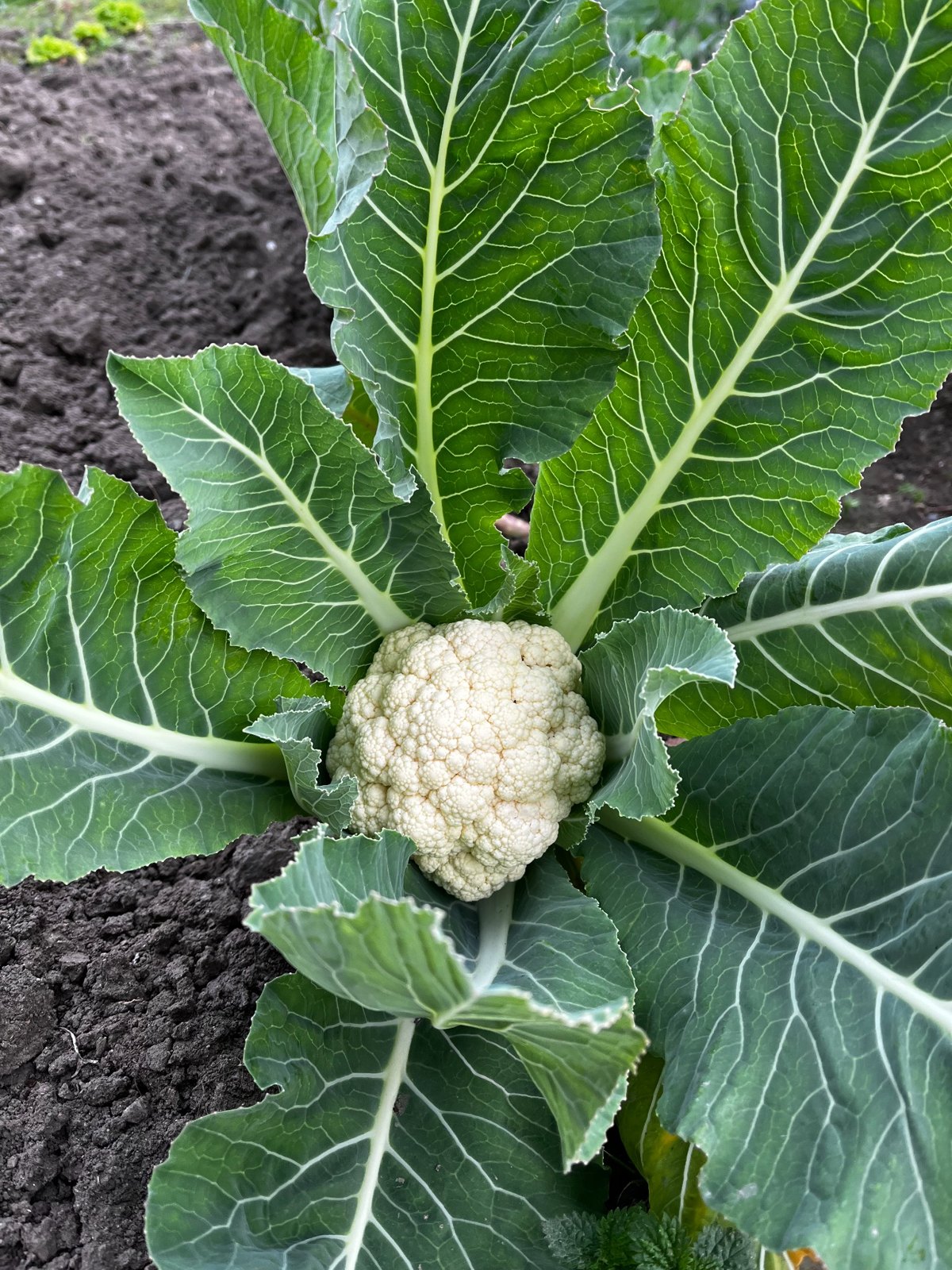
The Backyard moves faster. I can start winter lettuce, spinach and chard in the beds that are coming free, with some protection from the last fierce afternoons while seedlings establish. Cabbage, kale and cauliflower transplants need space, water at planting and a quick look for caterpillars. A tidy bed plan will not rescue them if they dry out in their first week.
Meanwhile the summer crops are still asking for attention. I will pick the last sound tomatoes and peppers rather than leave them for the first spell of wet weather. The last beans and summer fruit will not wait until the weekend either. On the farm, mature squash and pumpkins need bringing in without damage and with a piece of stem left on. The olive trees can be watched as the fruit starts to turn, though the picking depends on the variety and what we want to do with it.
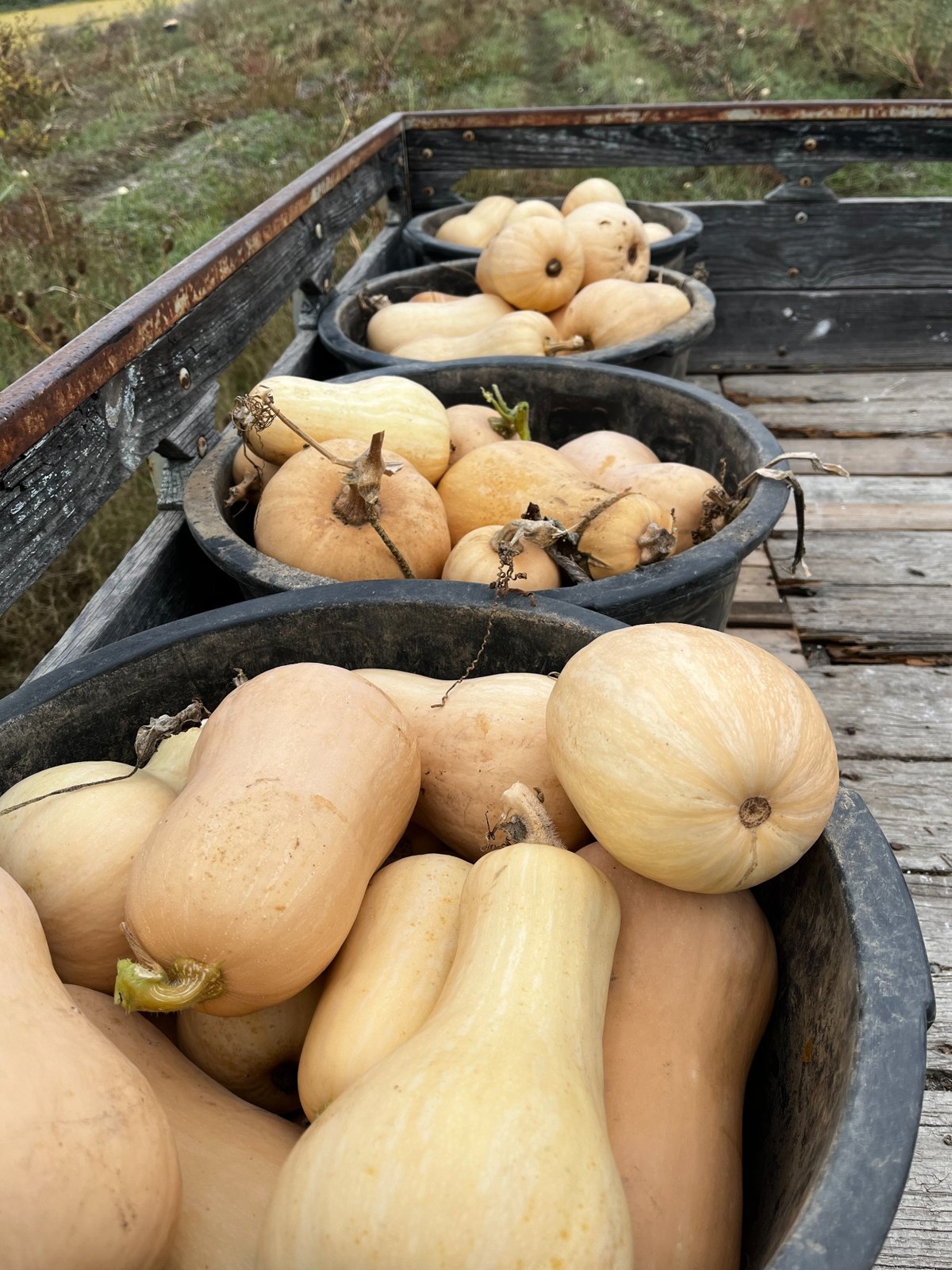
Getting a harvest indoors is only half the job. Any onions or garlic that still need lifting have to dry thoroughly with good airflow before I trim and store them; damp bulbs packed together will not improve with age. Potatoes belong in a dark, cool, ventilated place, checked now and then for damage or rot. Sound winter squash wants its skin cured and then a cool, dry place of its own, not a damp potato corner. The storage room needs a sweep, working vents and a way to keep the crates off the floor before it fills up. I have written more about that in the Farm storage note.
In the Backyard, the late tomatoes are more likely to become sauce for the freezer or jars made to a tested canning recipe, with the required acid added even when the tomatoes taste sharp enough. I will not improvise a shelf-stable jar. Herbs can be cut and dried before damp air makes the job harder; small, labelled batches beat a bundle that never quite dries. The preserving note has the longer version. The old brick oven can have its turn when there is bread to bake, but it is not going to cure a badly stored onion.
There is also the work that produces nothing to photograph. Summer beds need clearing of spent plants, with healthy material composted and diseased material kept out of the usual heap. Finished compost or well-rotted manure can go where the next crop will need it, rather than being left in a pile until spring. Before the first heavy rain, I want to see where water crosses the tracks and whether drains, culverts and gateways are clear. Better to mend the roof or gate now than during the first storm.
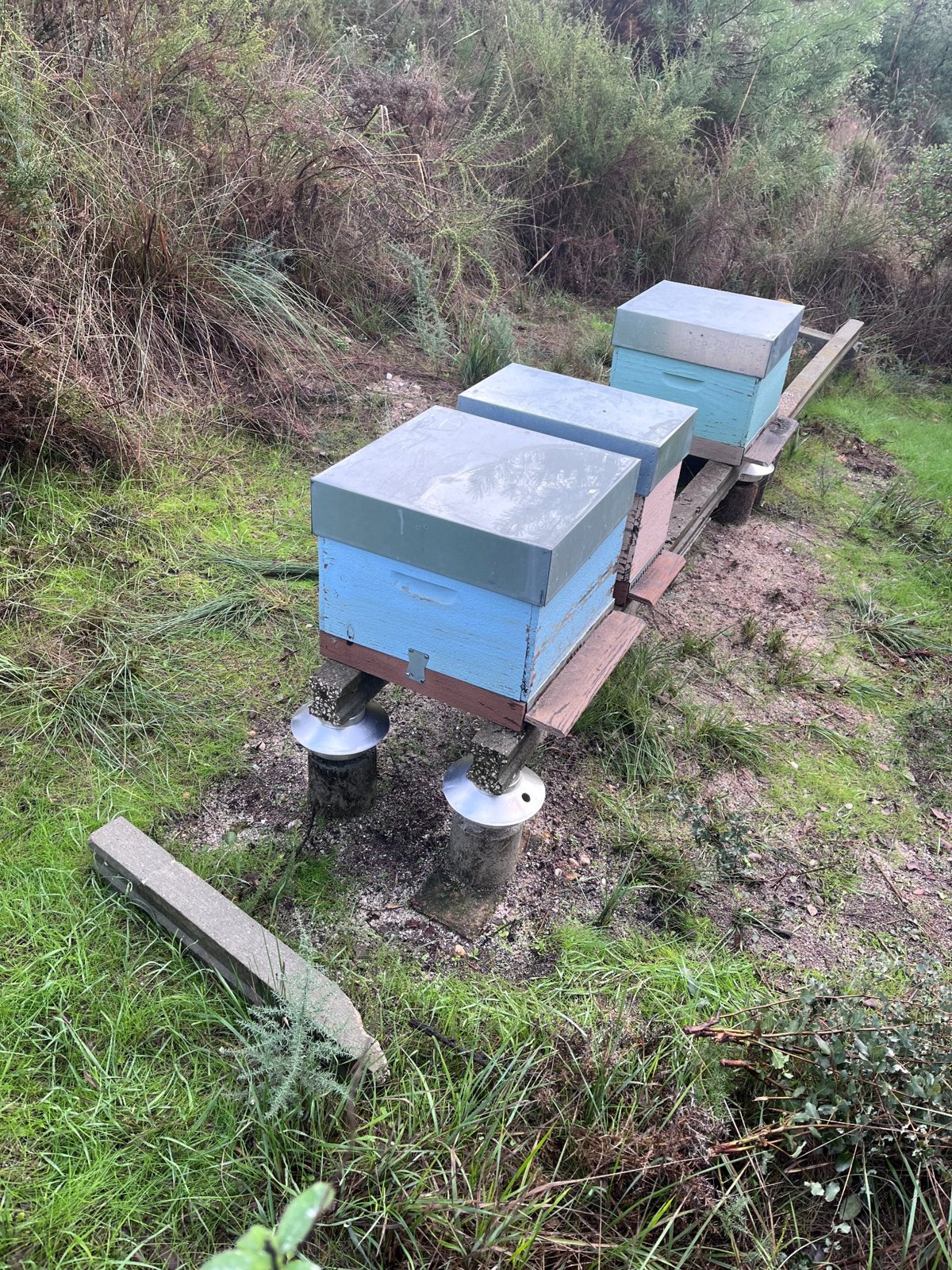
For the animals, autumn is mainly about checking the basics before they become urgent: dry bedding and sound shelter for sheep, a dependable supply of forage, and clean, sheltered places for the chickens and ducks. For the bees, I need to assess colony stores and hive condition while there is still a suitable day to open them, then leave them prepared for colder, wetter weather. A box that looked fine in August deserves another look now.
That is about where we are: a foot in summer, another in the next season, and quite a lot to carry between the two. If the rain comes on schedule, good. If it does not, the seed can wait a little longer than the drainage repairs.