First rain is coming, and now? The season is just starting!
After a summer spent waiting for the ground to soften, it would be nice if the first rain meant we could put our feet up. It doesn't.
On our 20-acre family farm in central Portugal, that first proper rain is more of a starting gun. There is a short stretch when the soil will take a seed, the tracks are still passable and a roof can be repaired without doing it in a storm. I have been keeping a list. It has not got shorter.
The first job is the ground that needs to feed the sheep next year. I want the hay fields seeded so the autumn rain can bring the seed up and give the plants time to establish through winter. Then, if the weather and growth cooperate, there should be a decent cut in spring. There is no great trick to it: prepare a firm seedbed, choose the mix for the field, get the seed at the right depth and do it while conditions are good. A bag of seed left in the shed has never made a bale.
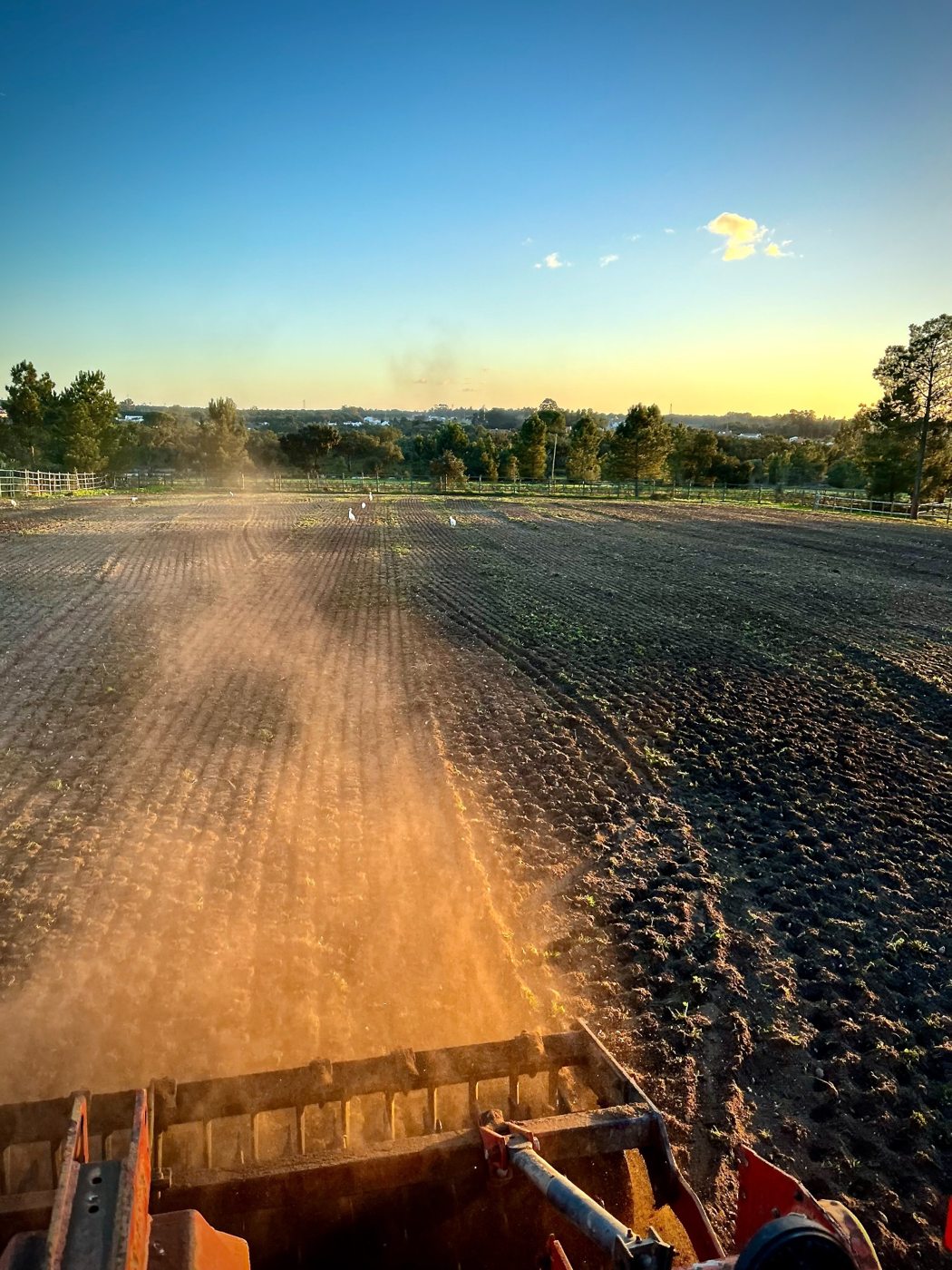
Other ground needs clearing and working for winter crops, including potatoes where the timing and soil suit them. The rows and access need thinking through now, while the ground is workable, rather than after a run of wet days has turned the job into a test of patience. It is much the same lesson as walking the land before deciding what goes where: water and traffic make their own plans if I do not make one first. The early autumn note covers the smaller sowing jobs on both plots; here I am looking at the bigger fields.
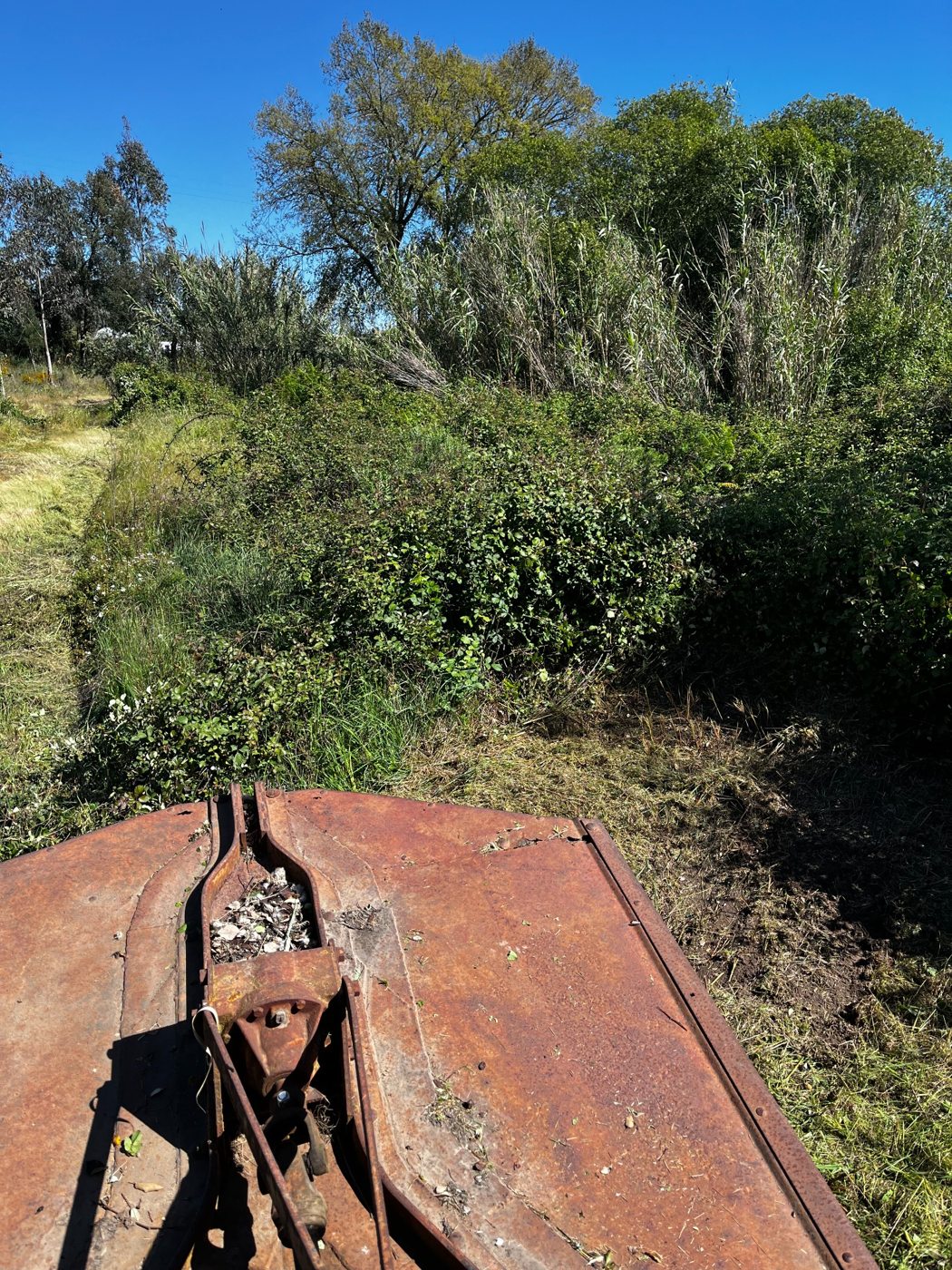
I also need to start opening the pasture with the brush mower. Clearing the rougher patches now gives me a better view of fences, paths and trouble spots before winter growth hides them. Cut brush can be stacked in sensible piles where it will not block access or sit against a building. Burning is a later job, once winter is properly in, and only if the day's conditions and the required local communication or authorization allow it. Portugal's official guidance on burning piled vegetation is worth checking each time, along with the daily fire danger. One wet morning does not cancel the possibility of another dry, warm spell. A green patch is not a fire-risk certificate.
The animals have a less forgiving timetable. Before the rain settles in, I want to check the sheep shelter for leaks, loose sheets and places where bedding will get wet. The chickens and ducks need dry, safe places as well. The bees need their stores assessed while there is still a suitable day to inspect the hives; if a colony is short, feeding has to be planned in time and with the season in mind, not after a cold spell has already arrived. The roof over a sheep's head and the food in a hive are not jobs to put on a hopeful list for December.
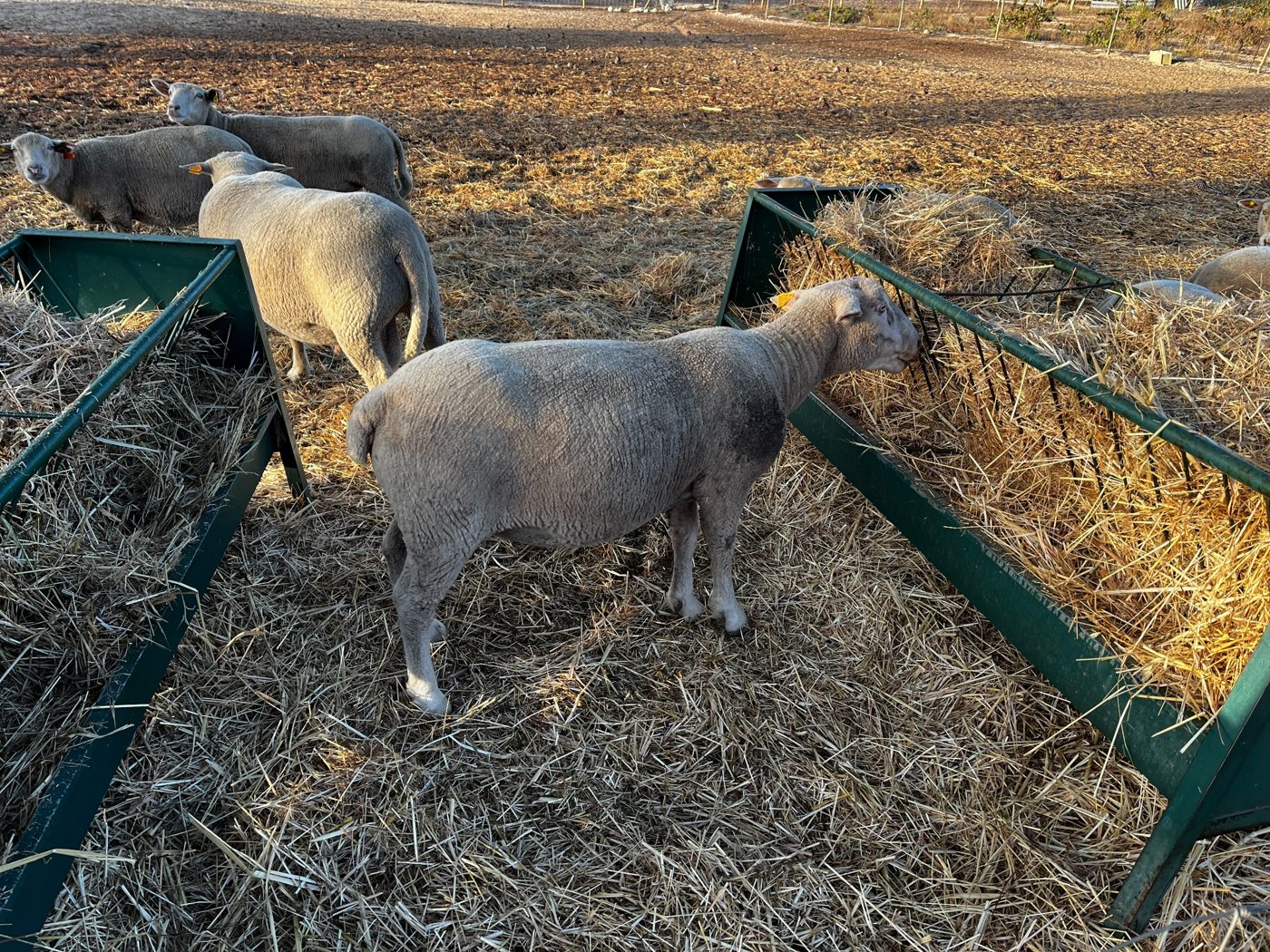
That means checking the bales too. After seeding, cutting, turning and baling, losing good hay to a leaking roof would be a particularly stupid way to finish the job. They need to be off the ground, under a sound roof, protected from rain blowing in and with enough air movement that trapped damp does not spoil the stack. The same storage habit applies elsewhere on the farm: know what needs dry air and what needs a cooler room. I went into that in Keeping the harvest.
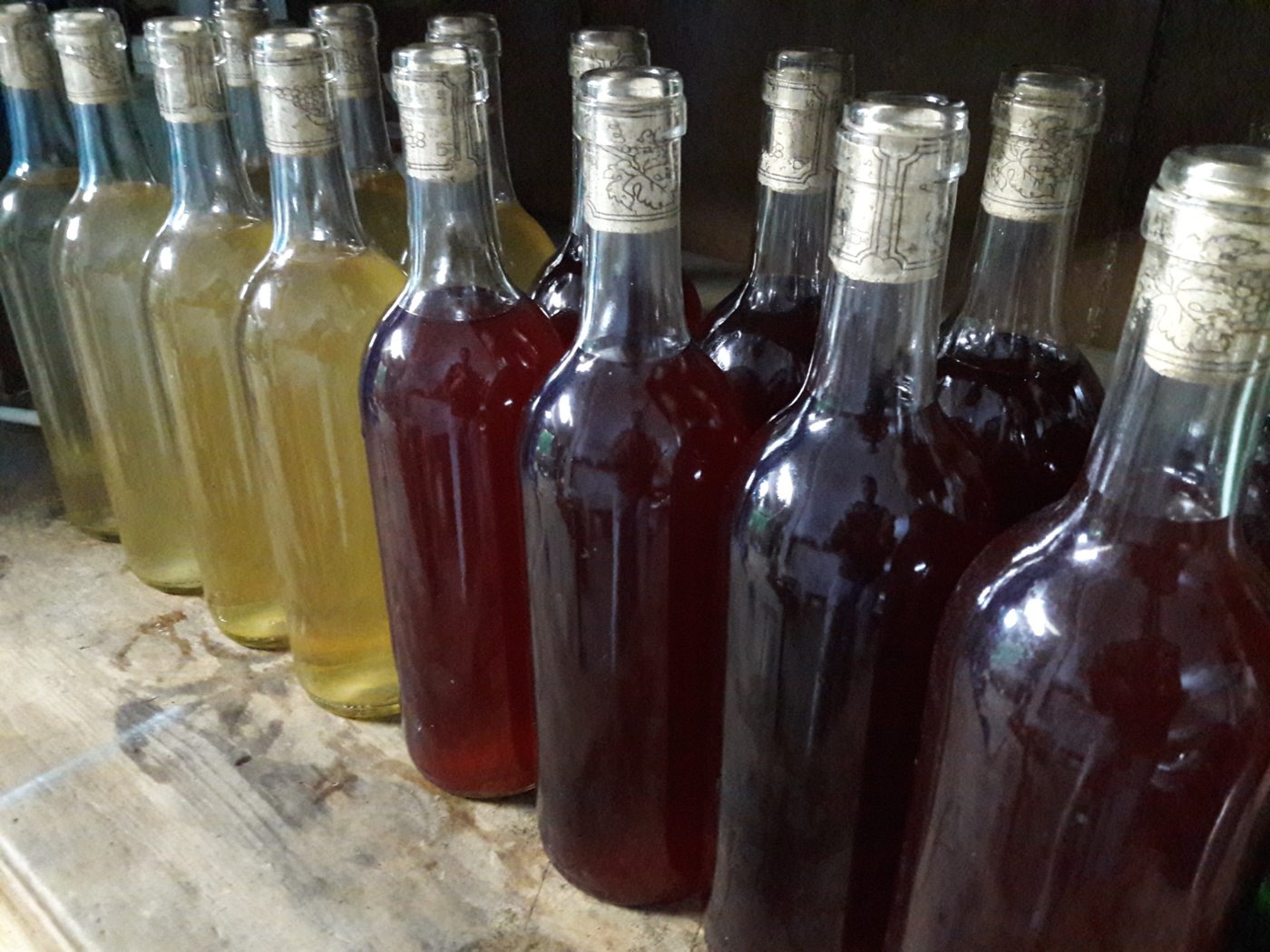
Then there is the work that does not wait for a field to be ready. Wine from the grapes needs watching, with clean vessels, sound closures and a cool, steady place to keep it once it is ready for storage. Trees can be planted when the soil has moisture again, with their places chosen for drainage and access rather than because a gap on a map looks tidy. Firewood needs cutting and stacking somewhere dry with air around it. I need to clean the wood-burning stoves and check the flues before we ask them to work every evening. None of these jobs is dramatic until the day one has been forgotten.
So yes, the rain will be welcome. It will also start the clock. The season is just starting, and none of this is finished in a weekend.
← Back to The Farm